
Have you ever thought that a simple hello might open the door to a whole new world? When you travel, knowing local customs can feel like discovering a secret key that makes every conversation warm and genuine.
This friendly guide helps you with everyday travel tips, from how to greet someone to enjoying a meal the local way, so you avoid those awkward moments that can put a damper on your adventure.
Stick with us and see how a few thoughtful manners can turn each encounter into a friendly chat with someone new.
Comprehensive Cross-Border Customs Overview for Travelers Abroad
When you travel, knowing the local customs is as important as bringing your passport. Every country has its own way of showing respect, and understanding these small details can help you avoid awkward moments. It’s like having a special key that opens doors to warm, genuine interactions along your journey. Have you ever thought about how a simple greeting can make a big difference?
This guide walks you through ten simple areas to help you blend in and make friends wherever you go. Each point is a handy tip for respectful travel:
- Greetings: Find out whether a handshake, a bow, or a cheek kiss is the right way to say hello.
- Dining: Learn the local table manners so you enjoy the meal without any mishaps.
- Public behavior: Know how to act in public spaces and when to respect personal space.
- Gift giving: Get tips on what gifts are well-received and what might accidentally cause offense.
- Dress codes: Discover when you need to wear modest clothes, especially at religious or cultural spots.
- Hand and head gestures: Remember that simple gestures may mean different things in another culture.
- Communication styles: Notice how tone and formality can vary from one place to another.
- Punctuality: Understand that in some places, arriving early is seen as a sign of respect.
- Non-verbal cues: Watch for body language that can either connect you with locals or create misunderstandings.
- Apology and recovery: Know that a sincere “I’m sorry” can help smooth over any mistakes.
Knowing these points not only helps you avoid social slip-ups but also makes your travel experience richer. By embracing the local etiquette, you get to enjoy real, heart-to-heart connections with the people you meet. So pack your curiosity and respect along with your suitcase, and get ready for an immersive journey across borders.
Navigating Greetings, Gestures, and Personal Interactions Abroad
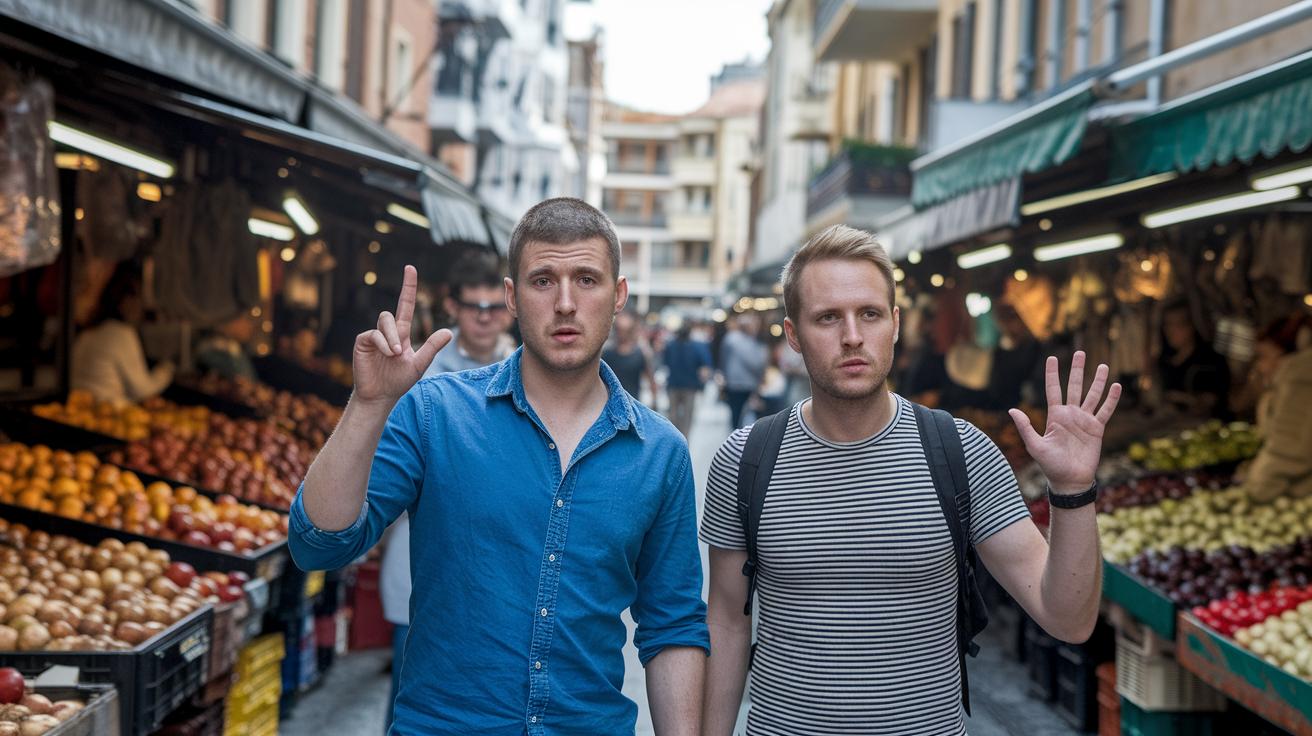
When you travel, first impressions set the tone. It’s amazing how simple gestures can mean completely different things in different places. For instance, in Bulgaria and Albania, nodding actually means "no" and shaking your head means "yes." Picture yourself greeting someone and accidentally causing confusion by mixing up these signals.
In some parts of the Balkans, a quick head toss paired with a tongue click means "no." It might sound odd, but it’s a fun detail to know. Hand motions can also trip you up. An "OK" sign that seems perfectly fine in one country might be rude in parts of Europe or South America. So, watch how locals do it before you mirror their moves.
In Thailand and Nepal, the head is held in high regard. Even a casual touch might come off as disrespectful. Instead, a warm smile or a respectful nod goes a long way. And if you’re dining or passing items in many Muslim and Hindu regions, remember: using your right hand is important because the left is seen as unclean.
Distance in conversation is another thing to keep in mind. In many parts of South America, folks stand close and chat in a friendly, warm way. Meanwhile, in many European countries, people like having a bit of breathing room. Here are some quick tips to help you out:
- Check out local greeting customs before you start interacting.
- Use your right hand for eating or exchanging items in certain cultures.
- Adjust your personal space depending on where you are.
- When you’re not sure, a genuine smile and a polite nod will usually do the trick.
Stay mindful and respectful, and you’ll find that every interaction becomes a little adventure of its own. Enjoy exploring and making those real, human connections along the way!
Essential Dining Etiquette and Table Manners Abroad
When you’re sitting down for a meal in a new country, a few small tweaks can really brighten your dining experience. In France, for example, you'll notice that keeping your hands above the table feels just right. They like to enjoy each course at a calm, steady pace, so imagine a friendly host quickly glancing over to make sure everyone’s not drifting into fidgeting territory.
Over in China, leaving a tiny bit of food on your plate is a subtle way to show that you’re full and appreciate the generous portions. It’s like a quiet nod saying, “Thanks, I’m satisfied,” without needing to say a word.
In India and many Muslim-majority countries, it’s best to avoid using your left hand when eating or passing dishes. The left hand is seen as less clean, so sticking with your right is a good call. And in Chile, even if you’re munching on something casual like a burger or fries, it’s polite to use utensils rather than diving in with your hands.
Then there’s Italy, where the setting can be everything. Sitting down to enjoy a meal, like a hearty bowl of pasta, right by a historic church or monument can feel a bit off. The ancient surroundings deserve a peaceful presence, so try to pick a spot that matches the serene vibe. And in many Middle Eastern cultures, if you’re offered a cup of coffee, it’s a warm invitation into local hospitality. Turning down that coffee might accidentally seem a bit rude.
Respectful Public Conduct, Personal Space, and Footwear Protocols Abroad
When you travel to new places, how you behave is like speaking a friendly language. In Australia, people love to queue up neatly, so joining the line shows you care. Over in Spain, many shops take a quiet break in the middle of the day for a siesta, a time to slow down and relax. And in Thailand, even a kind pat on the head might be misunderstood. Remember, treat personal space like an invisible bubble, what feels close for you might seem too tight for someone else.
Your choice of clothes and small gestures can say a lot too. In conservative spots like Saudi Arabia and Iran, it’s a smart idea to cover your shoulders and knees. The way people keep their distance also varies: South Americans might enjoy getting close during a chat, while people in parts of Europe like Croatia usually prefer a bit more space. Imagine yourself in a bustling market, feeling the friendly warmth of a close conversation on one side, and experiencing a polite nod of formality on the other.
And don’t forget about your shoes! In places like Japan, South Korea, and Thailand, you’ll need to take off your shoes before you walk into homes or sacred areas. It’s also important not to point your feet at people or any religious symbols.
| Tip | Why It’s Important |
|---|---|
| Wear modest clothes | Shows respect in conservative areas |
| Follow local queuing and resting habits | Helps you connect with the culture |
| Remove shoes where needed | Keeps traditions intact |
Navigating Gift-Giving Traditions and Dress Codes Abroad
When you're traveling, picking the right gift can help you connect with locals in a big way. For example, in China it’s best to skip offering clocks or handkerchiefs since they can remind people of funerals. And in many Arab countries, handing over alcohol might feel out of place. Even something as simple as lilies can change meaning from place to place, lovely in Italy but seen as somber in France. Taking a moment to learn each culture’s customs shows genuine respect.
Dressing the right way is just as crucial. In places like Saudi Arabia and Iran, modest clothes speak volumes about respect. Covering your shoulders and knees, and sometimes even wearing a headscarf at religious sites, can make all the difference. Imagine stepping into a sacred spot, warmly greeting elders in proper attire, it really sets a kind tone from the start.
Here's a little tip: when you’re unsure what to choose, stick with simple, modest options. Often, a neat and understated look wins hearts in cultures that value tradition.
Before you pack your bags, take a few minutes to understand local gift traditions and dress codes. It’s a small effort that opens the door to warm and meaningful connections on your adventure.
Country-Specific Etiquette Abroad: Dos and Don'ts for Popular Destinations
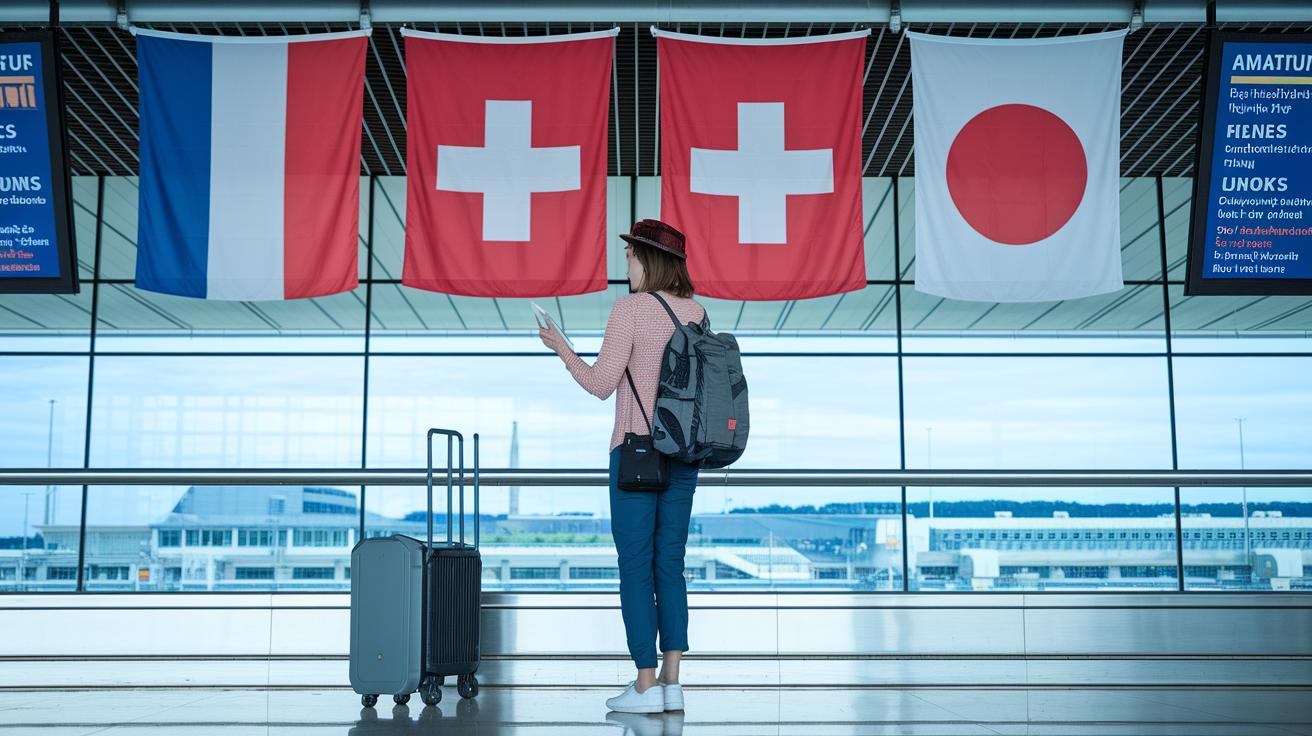
Here's a handy guide that sums up some key cultural tips for popular travel spots. Whether you're jetting off to a bustling city or a charming town abroad, these pointers can help you blend right in.
| Country | Key Dos | Key Don’ts |
|---|---|---|
| France | Greet friends with a light kiss on each cheek | Avoid overly formal or distant greetings |
| Switzerland | Be punctual to show respect | Don’t be late or casual about time |
| Japan | Perform deeper bows to convey respect | Don’t use overly familiar greetings |
| China | Maintain eye contact when toasting at meals | Don’t avoid direct eye contact during dining |
| India | Remove shoes and use your right hand for interactions | Avoid using your left hand for eating or handing over items |
| Brazil | Offer a firm handshake with eye contact | Don’t use weak or overly casual greetings |
| Argentina | Accept an invitation to an ‘asado’ barbecue | Don’t decline a genuine invitation to an asado |
For example, in France, a friendly light kiss on each cheek can really warm up a meeting. Imagine strolling down a cute Parisian street, where that small peck instantly makes you feel at home.
In Switzerland, simply being on time shows a lot of respect. It's like arriving to meet a friend exactly when you said you would, locals truly appreciate that effort.
And in Japan, a deep bow says "I mean it" much more than a quick nod. It’s almost like a graceful dance move, showing you're serious about your respect.
This simple guide gives you a quick look at what to do, and what not to do, when exploring these diverse destinations. Enjoy your travels and embrace the local ways!
Practical Tips for Adapting Quickly and Handling Etiquette Missteps Abroad
Take a close look at your surroundings and watch for the little signals that reveal local customs. For example, if you notice someone giving a soft hand wave before speaking, try mirroring that gesture. You might even ask, "I saw you greet each other with a gentle wave, is that the usual way here?" This simple query can open the door to customs not written in any guidebook.
Instead of just reading about local greetings, pay attention to everyday interactions. Notice how residents use tone and pauses to show respect. If someone takes a moment before replying, try doing the same. That pause can help you match the natural flow of conversation.
And if you ever take a misstep, don’t worry, just keep it real. A quick, honest comment like, "Oops, I missed the mark there. How would you normally handle this?" invites a friendly explanation and shows you're eager to learn.
| Scenario | Fresh Insight Example |
|---|---|
| Greeting | Watch for a gentle hand over the heart or a soft nod, then ask, “Is this how you usually greet each other?” |
| Dining | At the table, you might say, “Does this dish have a special way to be enjoyed here?” |
| Error Recovery | If you slip up, try saying, “Oops, I really meant no disrespect. How would you typically handle this?” |
- Notice and gently mimic the unique nonverbal cues of the local culture.
- Ask personalized questions to uncover deeper insights into local etiquette.
Final Words
In the action, this blog journey highlighted respectful behaviors through greetings, dining, public conduct, and gift-giving traditions that boost your travel confidence. Each section offered tips that help you blend into local cultures while overcoming any missteps with a humble apology.
This expert guide to cultural etiquette abroad is a handy reminder to plan ahead and embrace the learning curve. Every new rule opens a door to more meaningful, culturally rich experiences. Enjoy your travels and let every encounter spark a bit of joy!