
Travelers, commuters and event-goers still want simple, portable ways to lower respiratory risk. Three items stand out: a short-acting nasal spray used before exposure (examples mentioned include Profi, NoriZite and Betadine), a saline nasal rinse to clear potential contaminants after exposure, and a small CO2 meter to judge indoor ventilation. Together they form a low-fuss, layered approach — spray to reduce what lodges in the nose, rinse to flush what gets in, and measure to know when ventilation is poor. Below we break down how each works, nomad-friendly product types, safety notes, and packing tips.
Portable Protection: Nasal Sprays, Saline Rinses & CO2 Meters
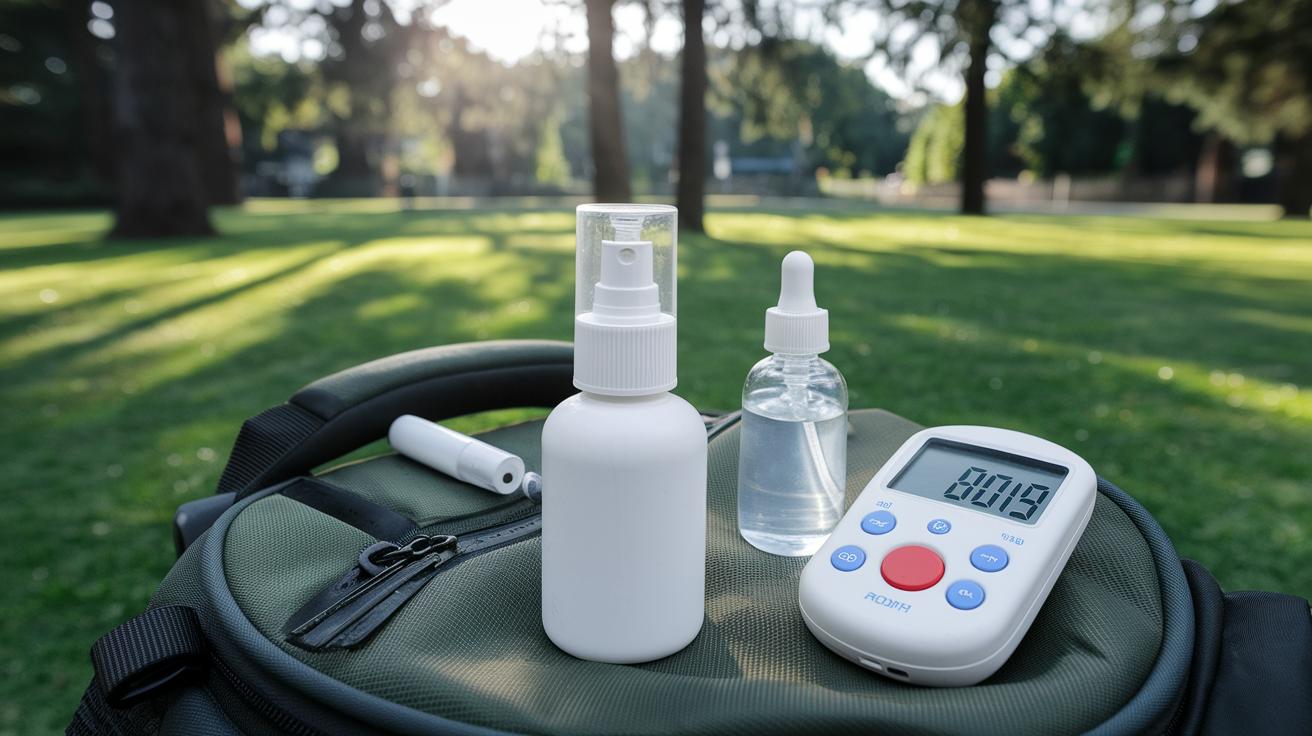
Travelers, commuters and event-goers still want simple, portable ways to lower respiratory risk. Three items stand out: a short-acting nasal spray used before exposure (examples mentioned include Profi, NoriZite and Betadine), a saline nasal rinse to clear potential contaminants after exposure, and a small CO2 meter to judge indoor ventilation. Together they form a low-fuss, layered approach , spray to reduce what lodges in the nose, rinse to flush what gets in, and measure to know when ventilation is poor. Below we break down how each works, nomad-friendly product types, safety notes, and packing tips.
Nasal Sprays , Use Before Exposure

Nasal sprays used shortly before entering crowded or poorly ventilated spaces can act as an immediate, local protective layer at the mucosa. The tweet mentions products like Profi, NoriZite and Betadine , Betadine being povidone-iodine, an antiseptic sometimes formulated for nasal use. Different sprays use different mechanisms (antiseptic, barrier-forming, or antimicrobial) so follow the product instructions. Typical use is a couple of sprays five to fifteen minutes before exposure. Don’t use antiseptic nasal sprays chronically; they can irritate mucosa or affect people with iodine sensitivity or thyroid issues. If you have chronic nasal disease, pregnancy, or doubts, check with your clinician.
Saline Rinse , Flush After Exposure

Saline nasal rinses physically flush mucus, particles and irritants after potential exposure. Neti pots, squeeze bottles, and single-use pre-mixed saline sachets are travel-convenient options. Use isotonic (0.9%) saline for routine rinses; slightly hypertonic solutions can reduce nasal swelling but may sting. Safety is critical: always mix saline with sterile, distilled, or previously boiled-and-cooled water , never use untreated tap water for nasal irrigation because of rare but serious infections. A single rinse after a high-risk event is usually enough; overdoing it can dry the mucosa. Pack disposable tips or sachets for hygiene on the road.
Carry a CO2 Meter , Read Ventilation, Not Virus
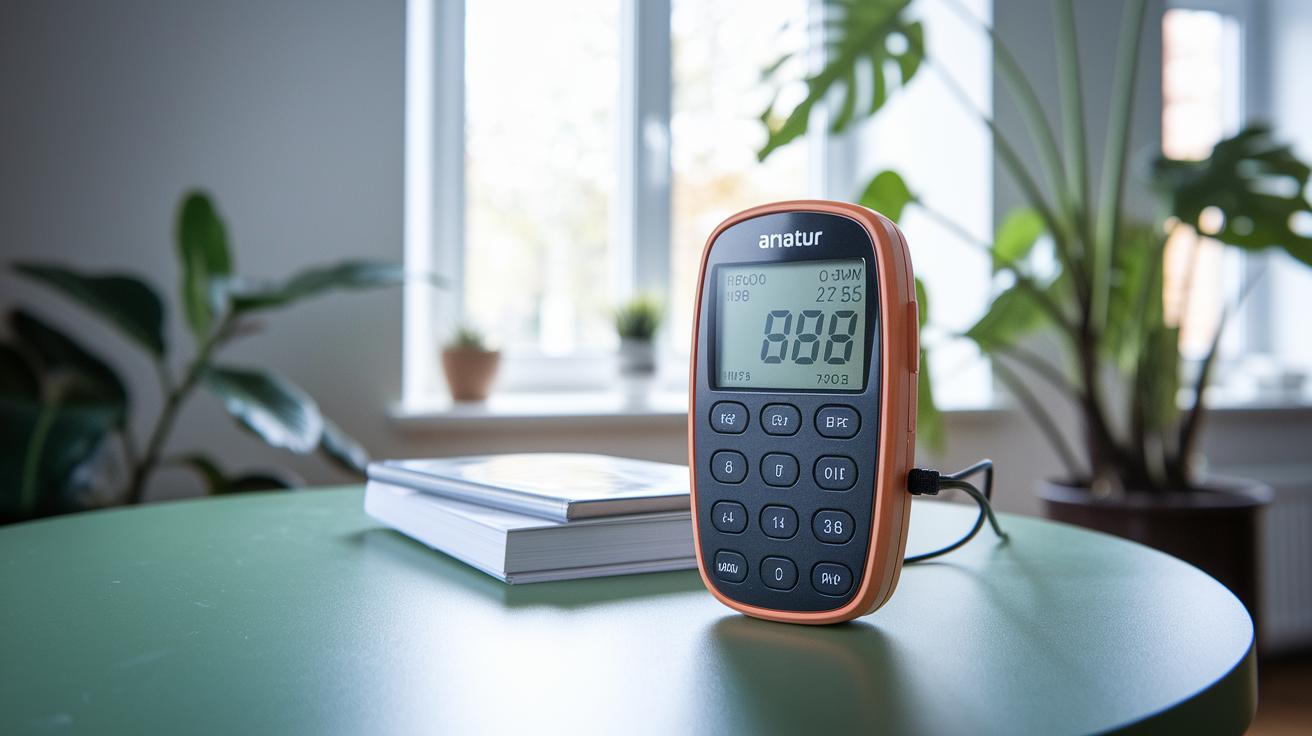
A portable CO2 meter is a straightforward way to estimate ventilation quality in indoor spaces. CO2 is a proxy for exhaled breath accumulation: outdoor levels are about 400 ppm, readings under 800 ppm generally indicate good ventilation, 800–1000 ppm suggest caution, and sustained levels above 1,000–1,500 ppm mean ventilation is poor and you should open windows or avoid staying. Use the meter at breathing height in the occupied area and watch the trend , a spike when a room fills up tells you when to act. Choose small rechargeable models with clear displays and consider ones with an audible alarm for quick decisions.
Nomad-Friendly Versions , What to Pack

For travelers you want compact, TSA-friendly, low-weight gear. Choose nasal sprays and saline bottles 100 mL or under for carry-on, or bring single-dose saline sachets to avoid liquid limits. Collapsible or pocket neti pots and disposable tips keep things sanitary on the road. For CO2 monitoring look for pocket-sized, USB-rechargeable models with battery indicators and a durable case; several consumer brands make travel-friendly units. Bring extra filters if you rely on portable air purifiers. Pack a small checklist: spare batteries or a USB cable, extra saline sachets, travel-size antiseptic spray, and printed instructions so you can use the kit correctly anywhere.
How to Pack and Use , Quick Routine
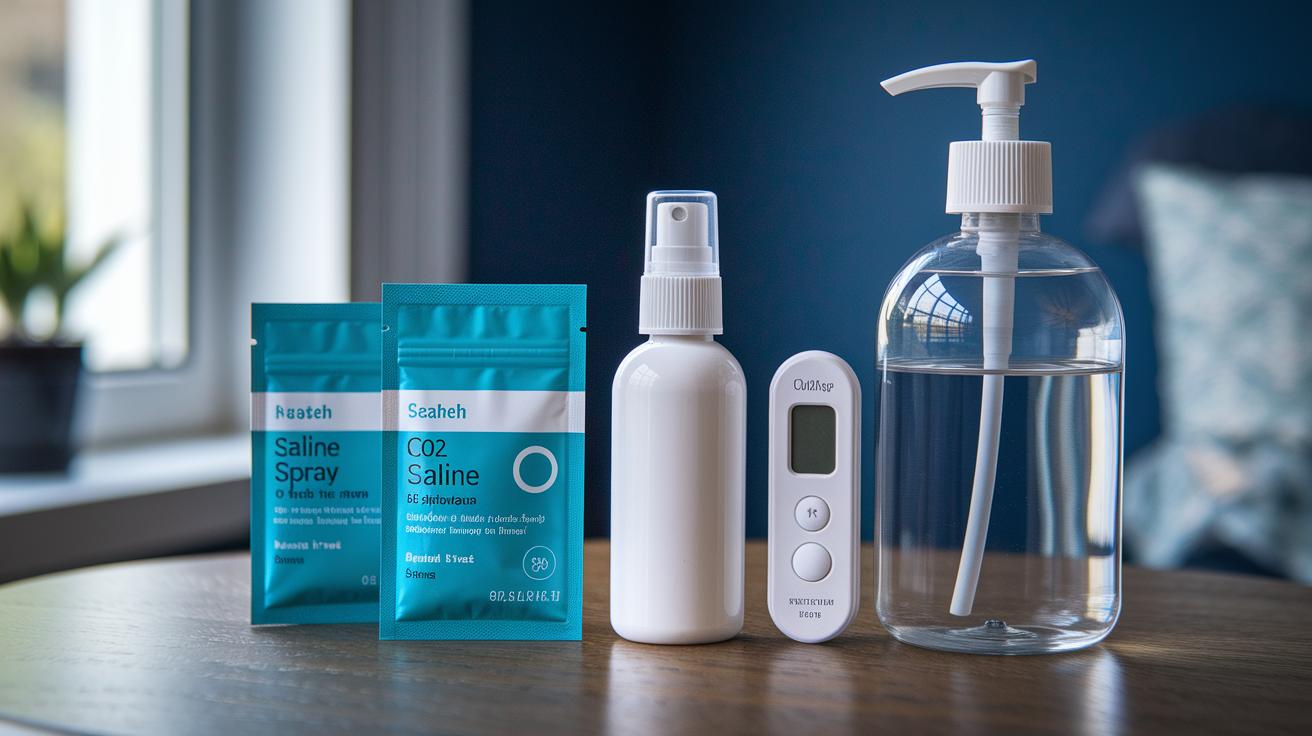
Put together a compact kit you can use fast: (1) travel-size nasal spray with clear dosing (keep in its original packaging); (2) single-use saline sachets and a small irrigator or collapsible squeeze bottle; (3) a pocket CO2 meter with USB cable and spare battery or power bank; (4) disposable tips, small hand sanitizer, and a face mask. Before entering crowded indoor spaces, spray as directed; while inside, use the CO2 meter to monitor ventilation; if CO2 is high, open windows, mask up, or step outside; after potential exposure rinse once. Inspect products regularly and replace expired items.
Know the Limits , Safety & When to Seek Care
These three tools are practical additions but not magic bullets. They supplement , they don't replace , vaccines, testing, or masks in well-established high-risk scenarios. Antiseptic nasal sprays can cause irritation and may not be safe for people with iodine allergies, thyroid disease, or pregnant individuals; saline rinses are safe when prepared with distilled or boiled water but can transmit infection if mixed with tap water. CO2 meters measure ventilation proxy, not viral load, and need occasional calibration. If you experience persistent nasal pain, bleeding, systemic symptoms, or suspect infection after exposure, see a healthcare professional for testing and guidance.