
The AirSpot Health CO2 monitor is a tiny, ultra-portable device that doubles as a watch, keychain, or phone attachment – it's the most convenient CO2 monitor I've tried. At roughly palm-sized, it's designed for on-the-go checks of indoor air quality: commuters can clip it to a bag, parents can tuck it on a stroller, and office workers can glance at readings during meetings. CO2 is a practical proxy for ventilation and infection risk – if levels rise above ~800-1,000 ppm, consider airing the space. I'll publish a full hands-on review with accuracy tests and battery life soon.
Meet the AirSpot Health CO2 Monitor , Tiny, Wearable, Versatile
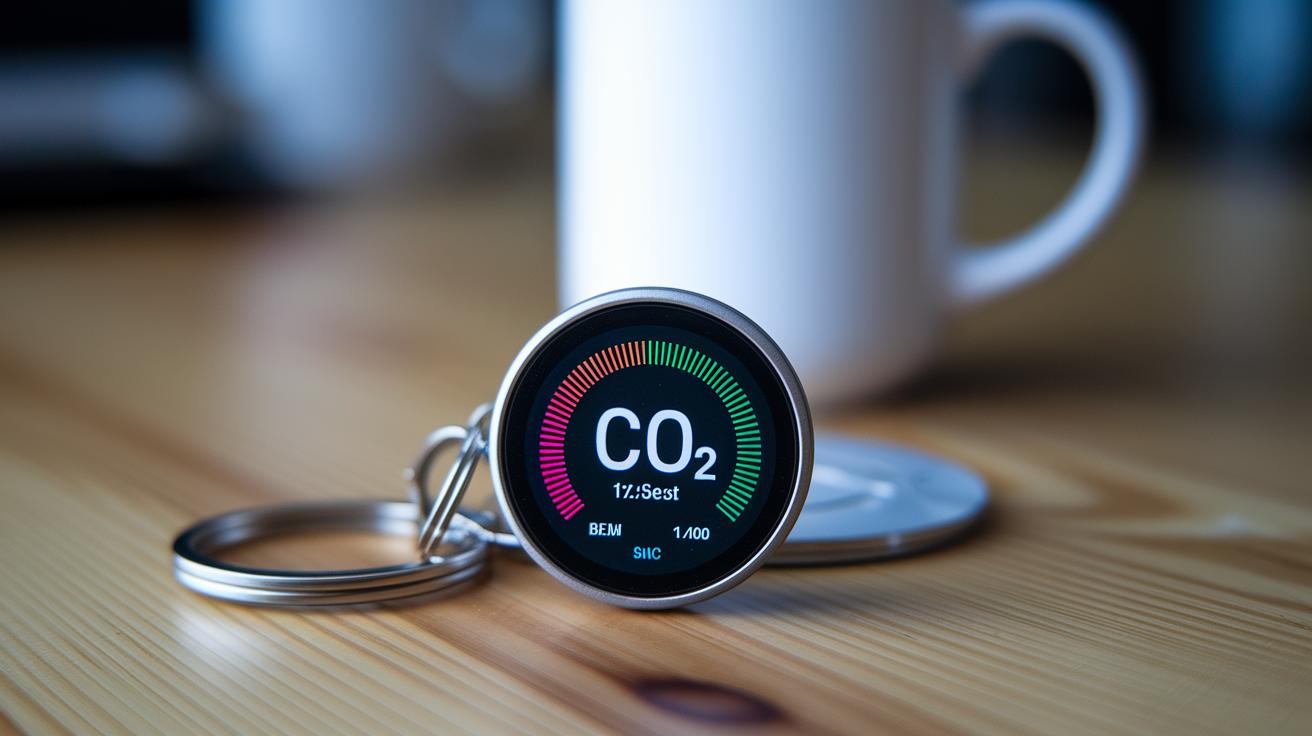
The AirSpot Health CO2 monitor is a tiny, ultra-portable device that doubles as a watch, keychain, or phone attachment – it's the most convenient CO2 monitor I've tried. At roughly palm-sized, it's designed for on-the-go checks of indoor air quality: commuters can clip it to a bag, parents can tuck it on a stroller, and office workers can glance at readings during meetings. CO2 is a practical proxy for ventilation and infection risk – if levels rise above ~800-1,000 ppm, consider airing the space. I'll publish a full hands-on review with accuracy tests and battery life soon.
Price and Alternatives , Is $140 Worth It?
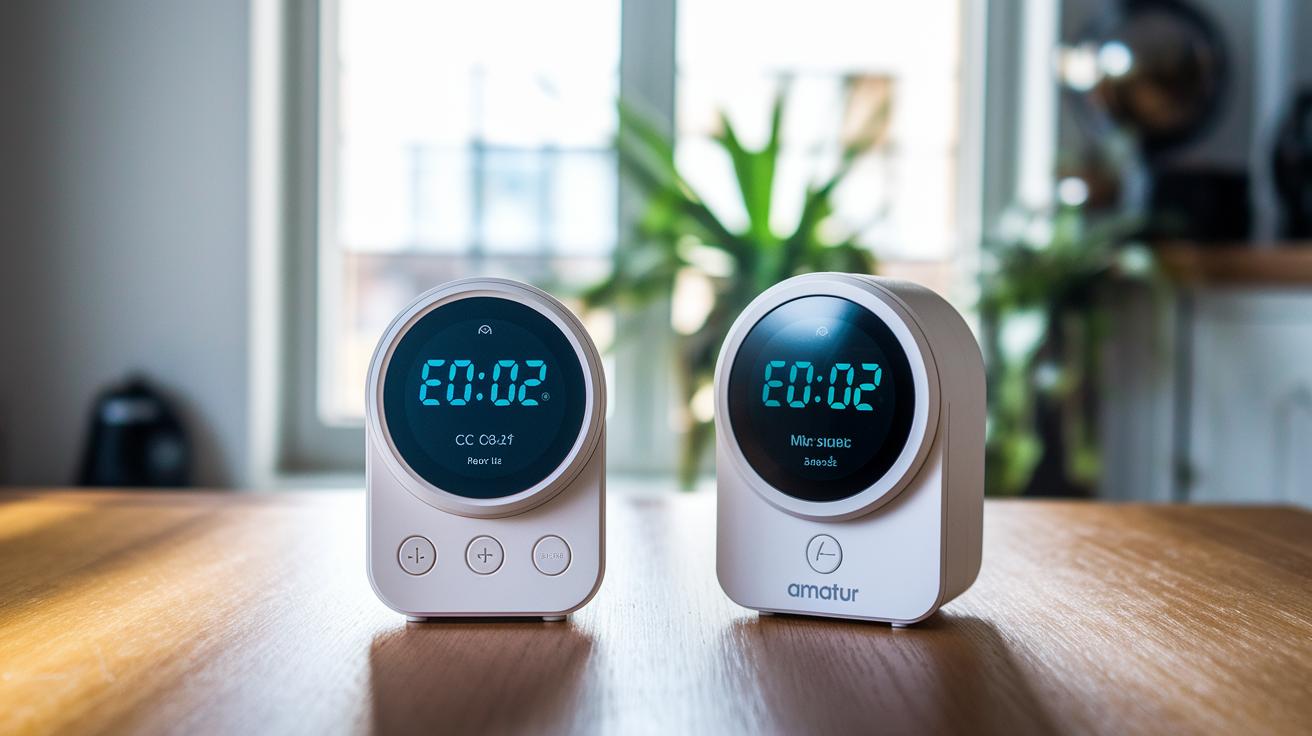
Expect to pay roughly $140 USD for the AirSpot Health monitor, which puts it at the pricier end of consumer CO2 monitors. That price buys a compact, wearable form factor, but it's not cheap compared with desktop-style units. If budget matters, the SmartAir CO2 monitor is a more affordable alternative that still delivers decent CO2 tracking; you'll trade compact wearability for lower cost and possibly fewer extras like a dedicated watch strap or phone clip. When choosing, prioritize sensor accuracy, data logging, app support and build quality – cheaper isn't always wrong, but be mindful of trade-offs.
Sensors and Specs , What’s Inside?
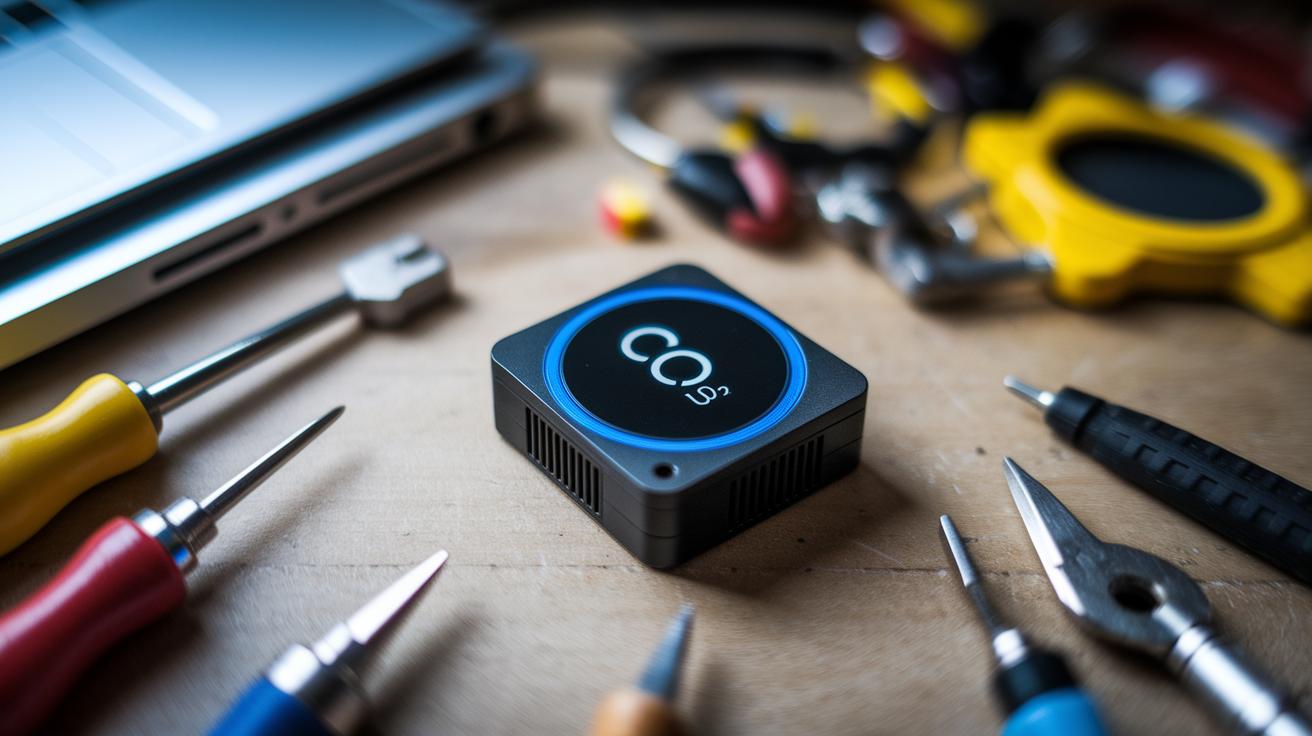
One common question is what sensor the AirSpot uses. The company hasn't listed detailed components on every page, but early chatter and teardown notes point to compact CO2 modules such as the Sensirion SCD4x family or an equivalent NDIR sensor. These modules are popular because they're small, energy-efficient and include temp/humidity compensation for more stable readings. For buyers, the practical test is repeatability and low drift rather than just the chip name. In the full review I'll measure response time, multi-day drift and compare against a calibrated reference meter.
Calibration and Reliability , Auto-calibration Notes

Calibration behavior often matters more than the sensor badge. The SCD4x family is generally reliable, but automatic baseline calibration can misbehave if the device never sees fresh outdoor air: many portable monitors assume periodic exposure to low-CO2 conditions and will apply offsets accordingly. If you see persistent bias, try a manual baseline/zero reset (if offered), leave the unit outside for 20-30 minutes, or perform a factory reset. Also check firmware and app settings – some allow disabling auto-cal. I'll walk through step-by-step calibration checks and validation against a trusted meter in the full write-up.