
A new rescue concept is getting attention online: the remote-controlled life jacket. The basic idea blends flotation, remote propulsion and smart sensors into a wearable rescue tool meant to reach people in water that rescuers can't safely access. Instead of sending another human into a dangerous current, crews can steer a buoyant jacket from shore, a drone or a rescue boat; the jacket can secure a victim, help stabilize them and keep them afloat until trained responders arrive. Engineers and coast guards are testing versions that combine GPS, radio control, automatic inflation and hands-free straps. Here's what we know and why it could matter.
What is a remote-controlled life jacket?

A remote-controlled life jacket is a hybrid rescue device that blends a personal flotation device with remote mobility and smart sensors. When someone is in distress, an operator can guide the jacket to the victim using radio control, GPS waypoints or an attached drone or boat. Some models inflate on command; others are always buoyant. The unit may have handles, straps and a secure seat so a panicked swimmer can latch on without complicated maneuvers. The core idea is to minimize risk to rescuers by delivering flotation quickly and to stabilize victims in rough water until human crews or autonomous platforms can perform extraction.
Design and core technology

Designs vary, but most remote-controlled life jackets share several core technologies: a buoyant shell built from reinforced foam or inflatable chambers; a compact electric propulsion system like small thrusters or ducted fans; and communications hardware such as radio, Wi-Fi or LoRa for remote guidance. GPS and inertial sensors enable autopilot and return-to-operator features. Inflators can be mechanical cartridges or electric pumps, and battery packs are sealed to marine standards. Advanced units add cameras, lights, audible speakers and infrared beacons so operators can find victims at night. Materials and IP68-style waterproofing keep electronics safe while redundant fail-safes trigger passive buoyancy if power fails.
How it's used in rescues and real-world scenarios
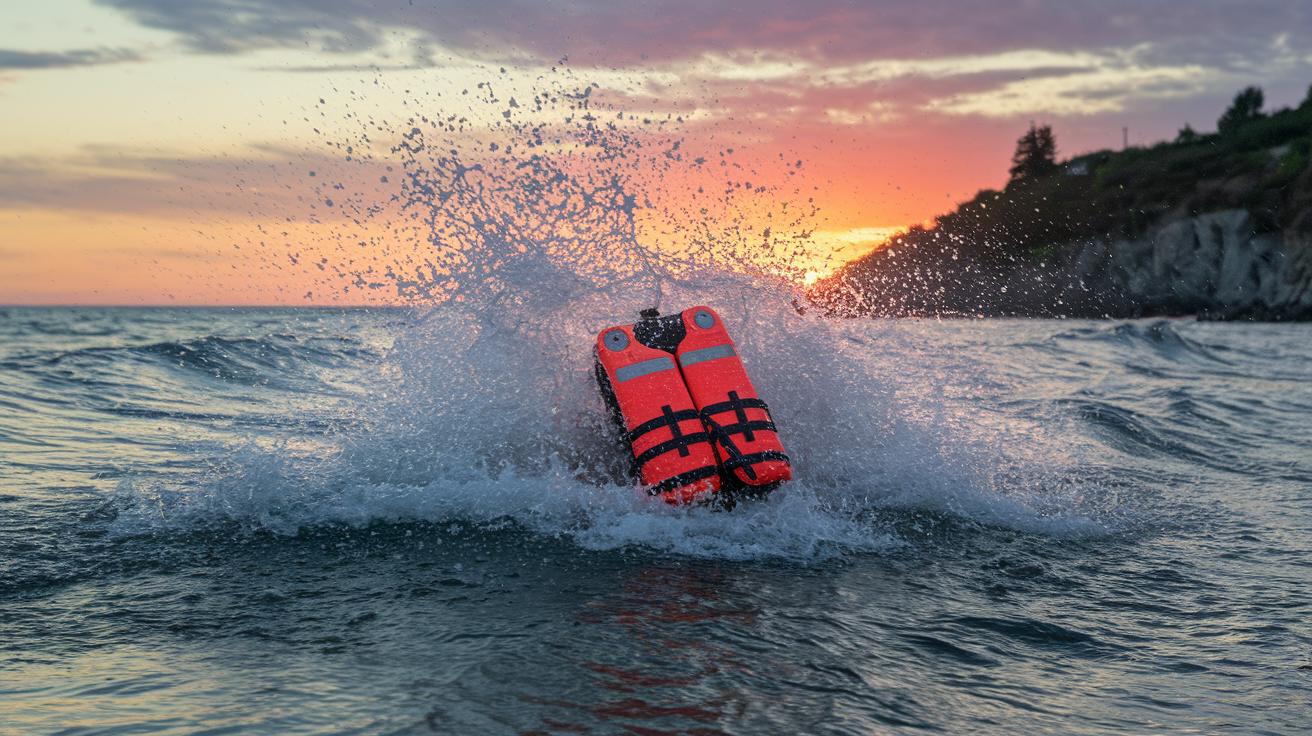
Rescue teams deploy remote-controlled life jackets from shorelines, rescue boats and unmanned surface vehicles to reach people trapped in currents, rip tides or under swift floodwater. In coastal incidents, a lifeguard can launch the device ahead while colleagues prepare extraction gear; in urban flooding, teams can send jackets from elevated positions or from drones that lower them to victims. The jacket's remote propulsion lets operators counter strong currents and hold position beside a panicked swimmer until they secure themselves. For multiple victims, devices can shuttle between survivors or act as temporary stabilization points during triage, reducing time-to-flotation which is critical for survival.
Field tests and real-world trials

Several prototypes and pilot projects have validated the concept. Research teams, lifeguard agencies and private firms have run drills showing unmanned flotation devices can reach victims faster than traditional swimmers in some conditions. Notable examples include EMILY-style rescue craft used by volunteer groups and trials run by maritime universities and coast guard units. Results reported faster time-to-contact, especially in choppy seas, and fewer rescuer exposures to hazards. Still, comprehensive large-scale studies are limited; agencies stress that remote jackets complement, not replace, trained personnel. Ongoing trials focus on improving reliability in heavy debris, long-range comms and simplified victim recovery.
Benefits for rescuers and communities
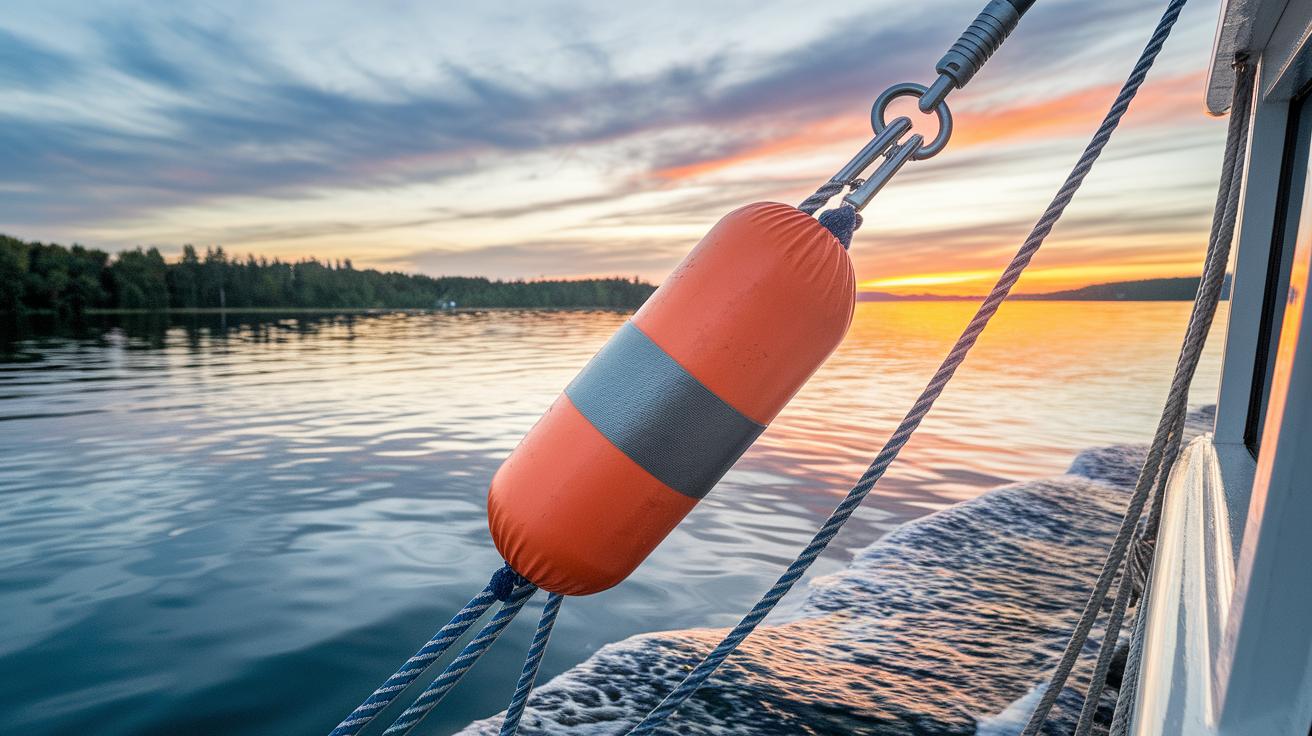
The biggest advantage is risk reduction for rescuers. Instead of sending a swimmer into hazardous water, teams can push a buoyant lifeline from a safer vantage point, decreasing rescuer drownings and injuries. Remote jackets also speed arrival, which raises survival odds. For coastal communities and flood-prone cities, these devices can be force multipliers: one operator can manage multiple jackets or coordinate with drones and boats. They also extend capabilities at night or in low-visibility conditions when cameras and beacons help locate people. While initial procurement has costs, agencies argue the potential to save lives and cut emergency response liabilities is a strong long-term return.
Limitations, safety considerations and costs
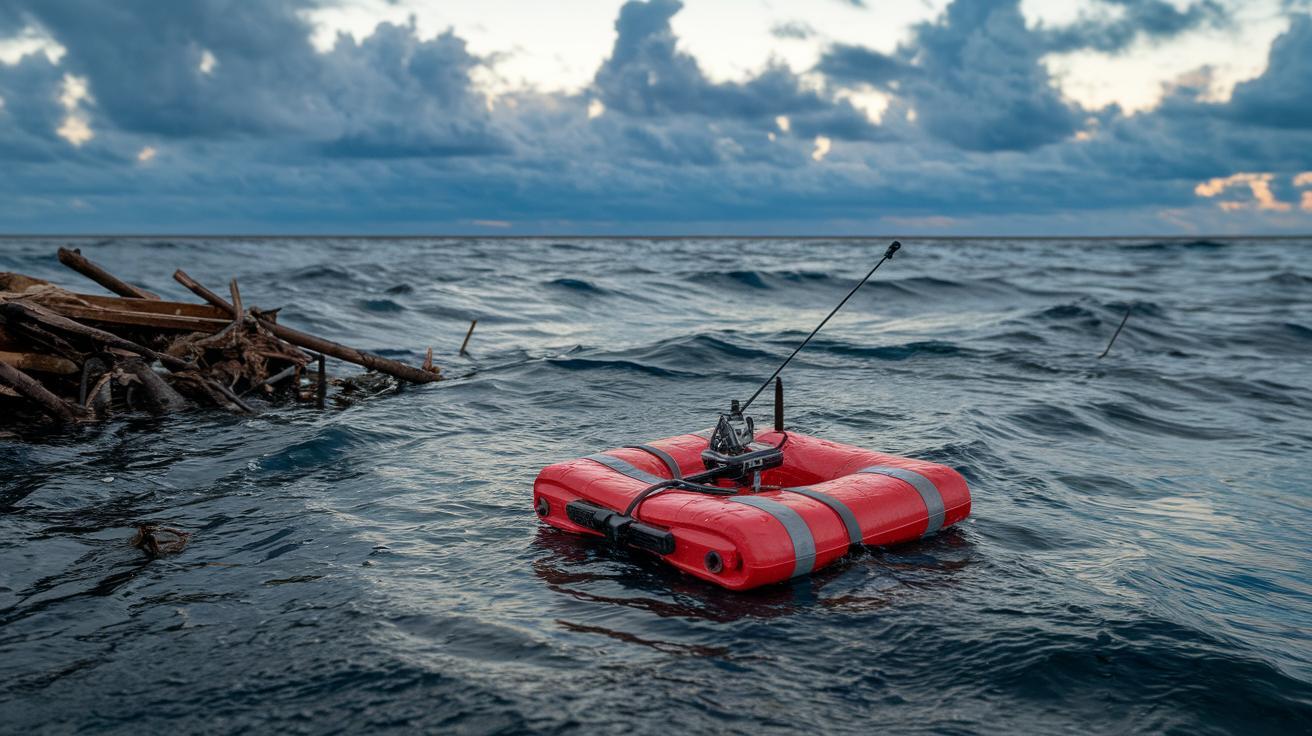
Remote-controlled life jackets aren't a silver bullet. Limits include battery life, radio range and reduced efficacy in extreme seas where bigger waves can overpower small propulsion units. Debris, underwater obstacles and entanglement risks complicate deployment during floods. False positives from sensors or poor visibility can delay retrieval. Rescue teams must train to integrate these devices into established protocols; misuse could create legal liability if devices fail or cause additional harm. There is also cost: rugged, marine-grade units and reliable comms systems can be pricey, and ongoing maintenance, battery replacement and software updates add recurring expenses for agencies.
The future: improvements, adoption, policy

Looking ahead, expect smarter, more autonomous jackets with onboard AI for victim detection and automated steering to reduce operator workload. Integration with drone fleets and unmanned surface vehicles will allow coordinated swarms that can cover larger search areas quickly. Manufacturers are also working on longer-range communications and solar-assisted batteries to extend mission time. Policymakers and rescue organizations will need updated standards and training curricula to certify use and ensure safety. As costs fall and proven trials accumulate, local authorities and volunteer agencies could increasingly adopt these tools, creating another layer of rapid-response capability for coastal and flood-prone communities.