
Ever thought that planning an international trip might feel more like a jumbled mess than an exciting adventure? Imagine if you could turn that stress into a fun puzzle where every piece falls into place. This guide is here to help you pick your dream destination, set a smart budget, and pack just right, all while keeping the journey lively and easy. We’ve broken down the steps so you can focus on enjoying every moment and turn those common travel worries into bold steps toward new adventures. Ready to see how a bit of clear planning can make traveling even more fun?
High-Level Planning Roadmap For International Trips
Planning an international trip is like gearing up for a fun adventure with several stops along the way. It’s all about breaking your journey into easy, manageable steps so you can enjoy every moment without feeling overwhelmed. We’ll share friendly tips that range from picking your dream destination to making sure everything runs smoothly.
We’ll talk about things like:
| Topic | Description |
|---|---|
| Destination selection & itinerary creation | Figure out where you want to go and plan your daily adventures. |
| Budget & financial planning | Set up a budget that works for you, so you enjoy the trip without money worries. |
| Passport validity & visa documentation | Make sure your passport is valid and you have the right visas ready. |
| Booking flights & accommodations | Find the best flights and cozy spots to stay so you’re all set. |
| Travel insurance & packing strategy | Plan for unexpected events and pack smart to keep it simple. |
| Local transit navigation & cultural etiquette | Learn how to get around and enjoy local customs like a pro. |
Ready to build your perfect travel plan? Next, dive into our guide on daily itinerary planning. You’ll discover how to balance the must-see attractions with some well-deserved downtime and even use handy apps for on-the-go adjustments. Enjoy the journey and happy travels!
Creating a Comprehensive Itinerary for Abroad Adventures

A great itinerary works like a trusty map guiding you from one exciting stop to the next. It blends careful planning with the freedom to stumble upon delightful surprises along the way. When you plot your journey from the very start, you can mark local hotspots, account for language and cultural twists, and even cluster nearby sites to save time and money. This kind of plan still leaves room for spontaneous detours while making sure you hit the best each place has to offer.
Researching Destinations
Dig through guidebooks, travel blogs, and online forums to find hidden gems. Check out local language tips and customs so you can dive right into the culture. Firsthand stories are super helpful, they not only tell you about the top attractions but sometimes point out those little-known treasures that make a visit extra special.
Structuring Day-to-Day Plans
Mix up your schedule with must-see spots and plenty of chill breaks. Try grouping attractions that are close together. It cuts down on long commutes and makes your day feel more relaxed. Picture a day of busy exploring balanced by stops at a cozy cafe or a park with a lovely view, this way, your travel days stay both exciting and easygoing.
Utilizing Digital Planner Tools
Nowadays, you can use free templates, handy apps, and cloud-based tools to tweak your itinerary on the fly. Tools like this guide on how to create a custom travel itinerary can help you update your plans quickly if things change unexpectedly. It keeps your schedule flexible while ensuring your travel plans are practical and fun.
In the end, the best itineraries mix thorough research with a dash of spontaneity, making it easy to follow a plan while also savoring unexpected adventures.
Budgeting and Financial Planning for Overseas Trips
Planning your money before you travel can make your adventure stress-free and fun. When you set a budget, you’re charting a course that helps you enjoy every moment without fretting about overspending. Imagine exploring new places for a year on around $20,000. That means, in some affordable spots, you might only need about $50 a day. Using travel credit cards that don’t charge extra fees overseas and offer sign-up bonuses can stretch your dollars even more. It’s like packing only the essentials for a perfect trip.
Here’s a simple breakdown of major expenses:
| Category | Estimated Cost Range | Smart Tip |
|---|---|---|
| Flights | $300 – $1500 | Book early and compare different airlines |
| Lodging | $15 – $100/night | Try hostels with private rooms or cozy budget hotels |
| Food & Drink | $10 – $30/day | Savor local street food and visit lively markets |
| Activities | $5 – $50/event | Schedule tours during quieter times |
| Emergency Fund | $200 – $1000 | Keep some extra cash for rare surprises |
Keeping track of your spending is super important. Whether you like writing down your expenses in a travel journal or using an app on your phone, updating your daily costs helps you see where your money goes. This way, you’re always ready to make quick changes and keep your budget on track. Have you ever felt that chill moment when everything just clicks into place? That’s what smart planning feels like, freeing you up to enjoy every delicious bite of an adventure.
Visa, Passport, and Documentation Checklist for International Travel
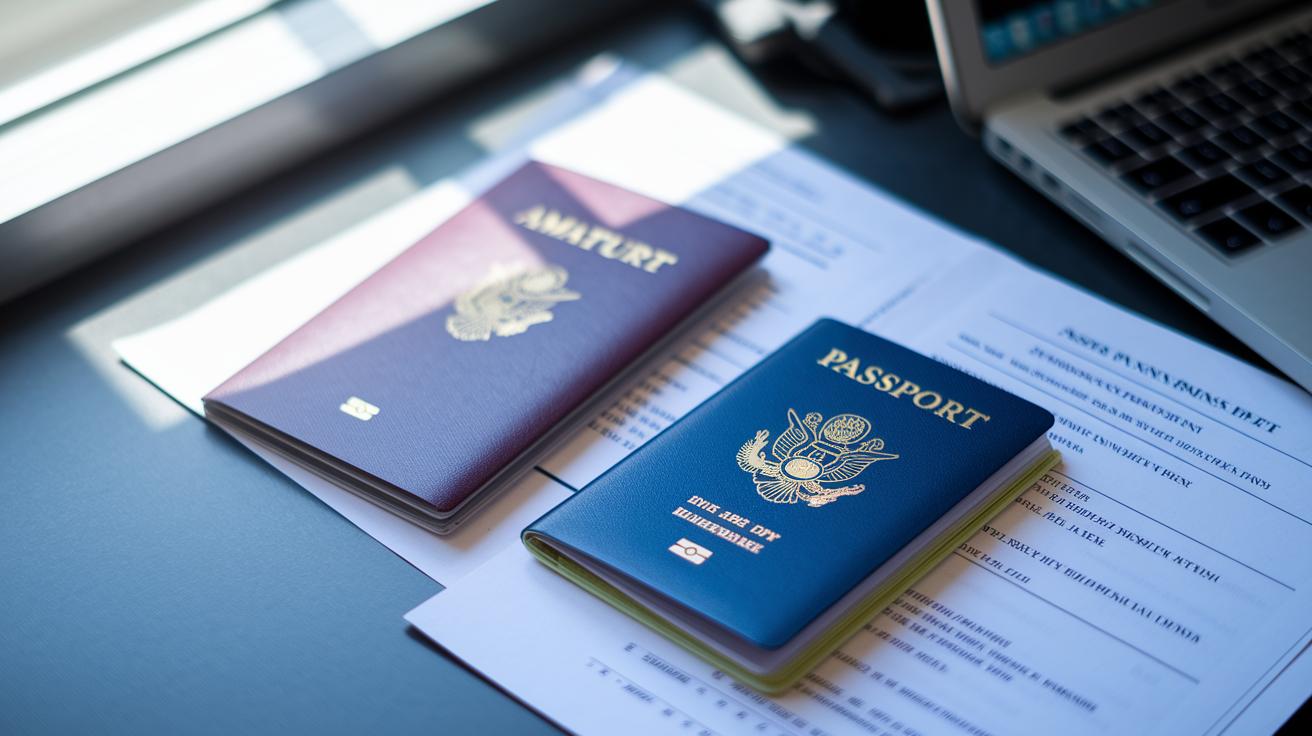
Before you book your ticket, take a moment to check that your passport fits the bill. Most places want your passport to be valid for at least six months beyond your travel dates. If it’s close to expiring, renew it early, trust me, it’s like making sure your map is up-to-date before racing off on an adventure.
Next, get into the details of visa rules for each place you plan to visit. Some countries let you get a visa when you arrive, while others might need an e-visa or a visit to the embassy. Look up the fees, processing times, and any extra paperwork you might need right away. Think of it as grabbing the right ticket for a special show, knowing what you need ahead of time keeps things super smooth. Use trusted sources to keep up with changing rules and deadlines.
Finally, keep all your documents neatly organized by making both digital and printed copies. Gather your passport, visa documents, travel insurance info, and emergency contacts into one secure folder. Stash a digital copy on your phone or cloud storage so it’s always within reach. It’s like packing a mini survival kit for your travel paperwork, this little step can save you from unexpected bumps along your journey.
Booking Flights and Accommodations for Global Vacations
Booking your flight is like setting the stage for an awesome journey. You can choose from round-the-world ticket packages with major airlines, or opt for point-to-point flights with budget carriers. Round-the-world fares let you plan many stops on one ticket and even give you a bit of wiggle room with your schedule. On the other hand, budget carriers help you save money if you plan points along the way. Experts say that booking international flights about 6 to 8 weeks before your trip can score you some amazing deals. It’s pretty cool to think that many travelers have paid way less than last-minute prices by booking in this window. By mixing these ideas, you can keep your costs low and your travel plans smooth.
When you get to picking a place to stay, your choice can really set the tone for your trip. Hostels have changed a lot, they often offer private rooms with breakfast, kitchens, and free Wi-Fi, giving you a local vibe without losing comfort. Boutique hotels add a bit of extra charm with unique touches that make you feel special during your stay. It helps to look up reviews and compare different spots so you can find one that fits both your style and budget. Don’t forget: many places have loyalty programs that let you earn rewards like discounted nights or even free upgrades. Imagine checking into a well-rated hostel and later using your rewards to upgrade your stay at a boutique hotel, saving money while enjoying new experiences.
Packing Smart: Preparing Your Bags for International Trips

Packing light while bringing along your must-have items is the secret to a smooth journey. When you’re setting out, stick to things you'll really use and leave unnecessary weight behind. Think of grabbing a travel wallet, a reusable water bottle, and a small daypack for quick trips. And don’t forget those multi-use items, a scarf that keeps you warm at night or a jacket that folds neatly into your bag can be a lifesaver. It really pays off to pack smart so you can stay nimble and enjoy every adventure without feeling weighed down.
Keep your tech and health supplies in check too. A multi-region power adapter, a portable battery pack, and a local or eSIM will keep you connected wherever you go. It’s also smart to pack some basic meds, vitamins, and handy items like a SteriPen or LifeStraw to look after your well-being on the road. Plus, having versatile clothing is a must, using packing cubes to organize layers makes switching between different climates a breeze, all without overloading your bag.
Navigating Local Transit and Cultural Etiquette Abroad
When you're exploring a new city, it can feel a bit overwhelming. But mixing a dash of modern apps with local know-how can turn a stressful trip into a fun, smooth adventure. Think of it like chatting with a friend who knows the place inside out. Whether you're zipping through a metro in Europe or catching a humble bus in Southeast Asia, being ready helps you settle in quickly.
Mastering Public Transport
Modern transit apps are like that trusty travel buddy you always want with you. They help you figure out which route to take, whether you’re in a rush-hour scramble or enjoying a quiet off-peak ride. Before you head out, consider setting up an eSIM using airport Wi-Fi or grab a local SIM card so your apps stay active all day. I once found a simple online guide that explained all the little quirks of local transit (https://mauisky.com?p=794), which made my adventures so much easier. Little things, like buying a metro card in a European city or learning how to get a digital ticket in a busy hub, can really change how smooth your day goes.
Observing Cultural Etiquette
Respecting local customs is more than just following a list of do’s and don’ts. It’s about diving into the local vibe and appreciating the culture on a deeper level. Have you ever noticed how locals greet each other with just a smile or a nod? It’s charming. And tipping? That really varies from place to place. Try sitting down for a meal at a small local restaurant, you’ll get to taste authentic flavors and notice the little details in table manners and conversation. It’s a simple way to connect and learn while you travel.
Taking the time to blend into the everyday rhythms of local life can turn ordinary travel into a slow, rich experience, leaving you with memories that warm your heart long after you’ve gone.
Final Words
In the action, this guide breaks down everything, from picking the perfect destination and crafting a detailed itinerary to managing budgets, documents, and cultural etiquette. We touched on booking flights, packing smart, and navigating local transit so every step feels like an adventure. With these insights on how to plan an international trip, you’re set to embrace every twist and turn with confidence and excitement. Enjoy every moment of your journey abroad.
FAQ
How does planning an international trip using Reddit tips help?
Planning an international trip using Reddit tips means gathering real-life experiences and advice on choosing destinations, budgeting, meeting travel document requirements, and building a detailed itinerary, making your journey smoother and more informed.
How does one plan an international trip on a budget?
Planning an international trip on a budget means setting a clear spending plan, comparing low-cost travel options, opting for affordable accommodations, and leveraging special deals to keep overall expenses manageable.
What should be included in a planning checklist for an international trip?
A planning checklist for an international trip covers choosing your destination and itinerary, budgeting, passport and visa checks, booking flights and accommodations, arranging travel insurance, and organizing a smart packing strategy.
What features make a good international trip planner?
A good international trip planner organizes key steps like creating your itinerary, budgeting carefully, tracking necessary documents, and booking flights and hotels. Digital tools and apps—even those like Verizon’s travel services—can enhance the process.
How long does it typically take to plan an international trip?
Planning an international trip typically takes several weeks to a few months. Starting early allows plenty of time for thorough research, booking secure arrangements, and preparing for unexpected travel details.
What is the best first international trip for families?
The best first international trip for families offers safe, engaging destinations with family-friendly activities, manageable transit, and cultural experiences that spark curiosity and create memorable bonding moments.
What is the average cost of an international trip?
The average cost of an international trip varies widely but typically ranges from $2,000 to $5,000 per person for a two-week adventure, depending on destinations, travel style, and personal spending habits.
Is $10,000 enough to travel for 6 months?
A $10,000 budget can be enough for 6 months of travel if you carefully select affordable destinations, adhere to a strict daily budget, and adjust plans to keep expenses low while still enjoying the adventure.
Is $20,000 enough to travel the world?
A $20,000 budget can cover a world trip with careful planning, opting for budget accommodations, affordable local meals, flexible itineraries, and smart transport choices to stretch your funds effectively.