
Ever wondered if a trip to Germany could change an average vacation into something truly memorable? With a simple 13-step guide, you'll feel ready to explore every corner of this amazing country.
This guide shares easy budget tips, smart booking ideas, and suggestions on must-see spots that make planning feel like a fun puzzle. Picture yourself wandering through charming streets, knowing every step is set just right for you.
A little planning goes a long way in turning your travel dreams into real-life memories you can smile about for years.
Blueprint for Planning Your Trip to Germany
Planning a trip to Germany can be a fun adventure if you follow a simple, 13-step guide that takes you from start to finish. Think of it as mapping out your journey with trusted tips, handy lists, and careful budgeting, all designed to make your travel planning stress-free.
Start by gathering helpful advice from friendly Facebook groups and newsletters. Jot down your ideas in Google Docs or Sheets while deciding on your budget and trip length. If there are places you simply can’t miss, mark them on Google Maps and group nearby spots together to create a clear travel roadmap.
Next, compare your travel options like trains and car rentals, and set up flight alerts to catch the best deals. Look for accommodations using simple filters until you find the perfect spot to rest after a day of exploring. Each step, even keeping track of booking confirmations in a spreadsheet and double-checking your travel documents well ahead of time, adds up to a hassle-free trip plan.
Here’s a quick checklist:
- Research tips in expert-led Facebook groups and newsletters
- Set up your budget and decide how many days you’ll be traveling
- Map your must-see spots on Google Maps
- Group nearby attractions for a smoother itinerary
- Compare travel methods like trains and car rentals
- Use flight alerts to get great deals
- Lock in accommodations and review all travel documents
This clear and practical plan takes the guesswork out of travel, helping you check off every detail, from verifying that your passport is valid for at least six months after your trip to keeping your booking details organized. As you follow these steps, you can relax and enjoy your journey knowing your German adventure is ready to create lasting memories.
Designing Your Ideal Germany Itinerary: One-Week to Two Weeks

Choosing your trip length really depends on what gets you excited. If you love the energy of big cities with cool art spots, interesting history, and fun cafes, a shorter, city-centered trip might be just right. But if you feel like mixing in some quiet countryside drives with busy city life, a longer journey could be the way to go. Ever wonder if you're more into Berlin’s creative vibe and Munich’s charming English Garden, or if you’d love wandering through medieval towns along the Romantic Road and enjoying hikes in the Black Forest?
| Itinerary Length | Main Destinations & Highlights |
|---|---|
| 5-Day | Berlin (East Side Gallery), Munich (English Garden), Dresden (Frauenkirche) |
| 10-Day | + Romantic Road towns (Würzburg, Füssen), Neuschwanstein Castle |
| 14-Day | + Black Forest hiking, Lake Constance, Trier Roman ruins |
This guide makes it simple to balance vibrant city energy with the calm of nature. When you match your travel time to what interests you most, whether it's art, history, or nature, you set yourself up for an enjoyable adventure. Imagine switching from a lively city tour to a peaceful day exploring old streets or trekking through a lush forest. Every part of your journey becomes a personal adventure, all planned with ease and plenty of room for spontaneous moments.
Navigating Visas and Travel Insurance When Planning a Germany Trip
Starting your German adventure means getting your visa rules straight. If you're from the U.S. or a few other countries, you usually get a visa-free 90-day visit under the Schengen Agreement. But if you need a visa, be sure to apply at least 15 days before you leave. Also, double-check that your passport stays valid for six months after your return. A little extra care now saves you from any last-minute rush.
Before you pack your bags, don’t forget to grab a good travel insurance plan. This insurance should cover things like medical emergencies, trip cancellations, and even lost luggage. It’s like having a safety blanket for your travels. A solid plan means you can relax and enjoy your trip without sweating the unexpected. Look for options that offer strong coverage for international trips.
While you prepare, also keep some extra documents handy. Pack a government-issued ID and an International Driving Permit if you plan to rent a car. It’s smart to make photocopies of your passport, visa pages, and insurance details. Store these copies apart from your originals, maybe on your phone in a secure file or tucked away in your hotel safe. That way, you’re ready for anything that might come your way.
Creating a Budget and Expense Breakdown for Your Germany Journey

Planning your stay in Germany? Let’s chat about what your money can get you. If you’re on a tight budget, hostel dorms will keep it friendly at about €30 to €70 per night. For a backpacker vibe, expect around €95 each day, while midrange spots come in at roughly €200 daily. And if you’re aiming for a treat, luxurious hotels start around €400 a day. It’s all about finding what suits your style and budget.
Next, think about how you'll get around. Public transit is simple and starts at around €3.50 for a one-way ride. Day passes are also handy, they cost about €9 to €12. If you plan to use public transit a lot, a weekly pass between €30 and €45 might be your ticket to easy exploration. These choices help keep your travel smooth and costs in check.
When hunger strikes, there’s something for every budget. A budget meal usually costs between €10 and €15, while a midrange dining experience can set you back €25 to €40 per meal. Want to indulge? Fine dining starts around €70 a meal. And if you’re looking to save a few euros, try grabbing something from a supermarket or catching an early-bird special at a local cafe.
Transportation Strategies for Traveling Across Germany
Germany’s cities are known for their super-efficient public transport. In places like Berlin, Munich, and Hamburg, you'll find subways, local trains, and trams all working together like a well-oiled machine. One ride usually costs about €3.50, while day passes run around €9 to €12 and weekly passes are between €30 and €45. Many travelers grab tickets using easy-to-use apps, kind of like ordering a coffee on your phone. If you need more tips, there's an insider guide to help you navigate these options.
For trips between cities, ICE trains are a favorite. They zip you between major hubs in less than four hours. And if you prefer a slower pace, regional trains connect you to smaller towns while offering lovely views of the countryside. It’s a fantastic way to see Germany’s scenic routes without missing the fun.
Thinking about renting a car? It gives you extra freedom, but remember that fuel is much pricier, over twice as expensive as in the US, and traffic jams can sometimes be a real drag. It’s good to weigh these ups and downs when planning your travels.
Another great option is biking. Many cities and countryside areas have special bike lanes that let you explore at your own leisurely pace. You can enjoy the fresh air, get some exercise, and uncover hidden gems along Germany’s charming routes.
Seasonal Considerations and Event Planning for Germany Travel
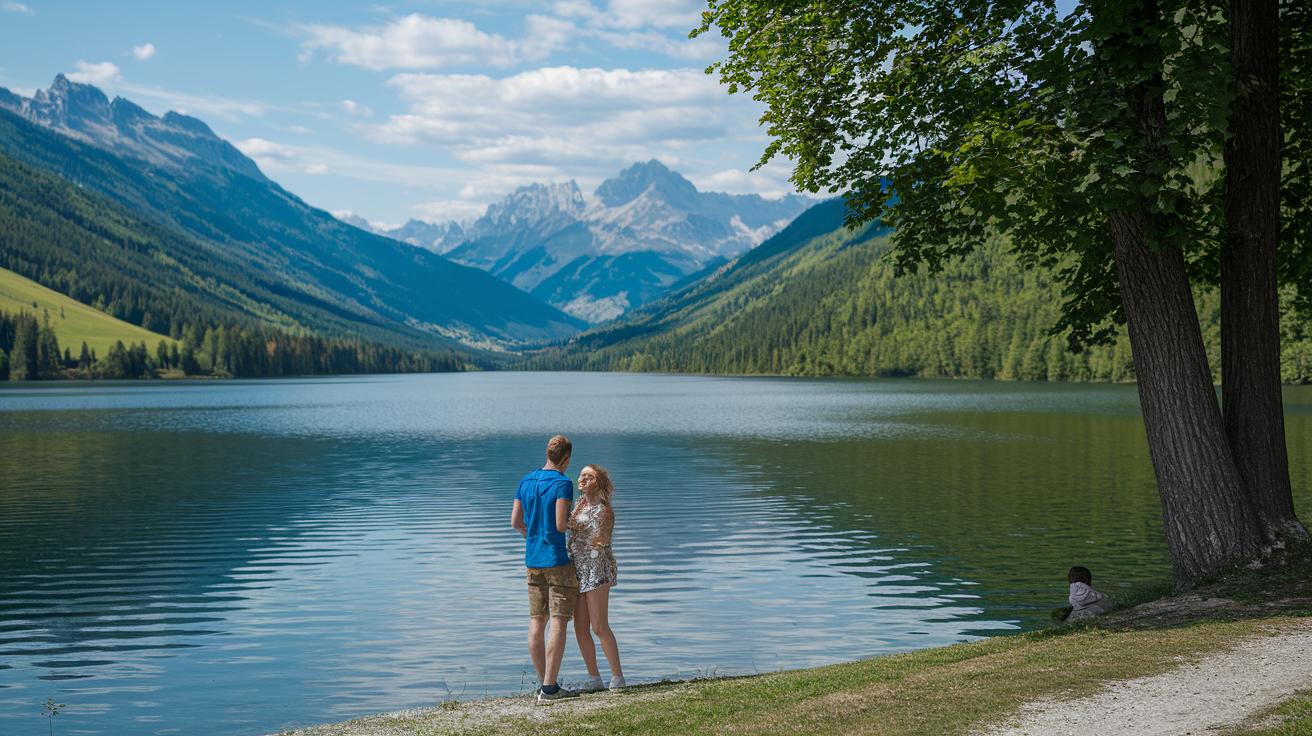
Planning a trip to Germany? Your adventure can feel totally different depending on the season you choose. In the summer, from June to August, the weather is usually around 24 °C, a perfect setting for relaxing by lakes or joining lively outdoor parties. But remember, summer is also the busy season, so you might run into more tourists. If you’d prefer a quieter journey with pleasant weather and plenty of daylight, try traveling in May, early June, or even September and October.
Winter in Germany is like stepping into a magical holiday card. Between November and February, the air fills with the scent of spiced treats as you wander through enchanting Christmas markets. You can even take part in fun winter sports while surrounded by snowy views. Just be prepared for chilly days that can drop to –10 °C; bundle up, enjoy a hot drink, and soak in the twinkling lights and traditional crafts that bring the season to life.
Oktoberfest is another unmissable event. Held for about five days from late September into early October, it’s a celebration filled with large pretzels, oversized beer steins, and an atmosphere buzzing with international cheer. To join in on this iconic festivity, it’s wise to book your accommodations and event tickets at least nine months in advance.
Exploring Germany’s Cultural Highlights and Iconic Landmarks
Germany boasts 51 UNESCO sites, each one a small window into its long, fascinating past. Every museum, monument, and hidden corner invites you to step into a story that spans centuries. It’s like walking through a living history book, where every chapter has something unique to share.
In Berlin, you’ll find timeless treasures waiting around almost every corner. Imagine standing before the majestic Brandenburg Gate or exploring the storied halls of the Reichstag. Wander through Museum Island where history whispers from every artifact, and don’t miss the colorful creativity of the East Side Gallery, a spot where art meets the city’s rugged past. It feels as if Berlin itself is evolving right before your eyes.
Bavaria offers its own slice of magic. In Munich, the Marienplatz Glockenspiel enchants with a quaint, rhythmic performance that charms visitors. Nearby, the sprawling English Garden beckons with gentle pathways and scenic spots perfect for a relaxed stroll. And then there’s the legendary Neuschwanstein Castle, a fairy tale palace with just 14 finished rooms. Over 1.5 million travelers flock here each year, drawn by the perfect blend of myth and reality that makes every visit special.
Further along the Rhine and beyond, Germany’s wonders keep on coming. Climb 533 steps at Cologne Cathedral and be rewarded with breathtaking views that make every step worth it. In Dresden, history mingles with modern life as you wander past the restored Frauenkirche and the impressive Zwinger Palace. Trier’s Roman Black Gate and ancient amphitheater bring a touch of the past to life, while Hamburg’s St. Michael’s Church and scenic canals offer a peaceful retreat in a bustling city. And if you’re curious to mix the must-see with local secrets, don’t miss an insider guide to traveling like a local in Europe. Finally, picture yourself exploring a 272 km trail along Lake Constance and visiting Mainau island for just €10.50, a delightful capstone to an unforgettable cultural adventure.
Hidden Gems and Nature Escapes for an Authentic Germany Trip

Step away from the usual tourist spots and dive into Germany’s natural wonders. Imagine wandering through the Black Forest in Baden-Württemberg, where every step fills your senses with the crisp scent of pine and the soft murmur of rustling leaves. Picture yourself on a rugged trail, as if discovering a secret world hidden behind tall, old trees, a perfect spot to pause, breathe, and feel at one with nature.
Next, hit the road on the Romantic Road from Würzburg to Füssen. This drive is like a charming story unfolding before your eyes with medieval villages, cobblestoned alleys, and a hint of history in every corner. Ever thought of pulling over in a tiny village and soaking in its old-world charm? It’s a journey that turns a simple drive into a memorable adventure.
For a slower pace, escape to the lakeside at Lake Constance. Walk along quiet trails that wind past cozy fishing villages where life moves a bit slower. Imagine exploring local markets and little spots that remind you of Bamberg’s quaint baroque style, but with fewer crowds. This is your chance to enjoy a genuine taste of traditional German life, away from the busy tourist hubs.
Accommodation and Dining Recommendations for Your Germany Itinerary
When planning your stay, consider your budget. If you're looking for a friendly, community atmosphere, hostel dorms usually cost around €30 to €70 each night. Midrange hotels, often with breakfast included, generally run between €80 and €150 per night. And if you want a bit more luxury with extra perks, upscale hotels start at about €200 per night.
When it comes to meals, keep your options simple. You can grab a quick bite from a street vendor or bakery for roughly €8 to €12. A sit-down meal at a midrange restaurant is usually around €20 to €35 per dish, while fancy dinners might cost €70 or more. Don’t miss a cozy afternoon break for Kaffee und Kuchen, you can enjoy this local treat for just €5 to €7.
Explore local neighborhood eateries to uncover unique culinary gems. And if you're headed to popular spots, it's a good idea to book your table ahead of time.
Final Words
In the action, our guide breaks down a 13-step process to streamline your journey with clear benefits for every traveler. We covered everything from sourcing reliable info to selecting ideal accommodations and handling documentation. Here are seven key steps:
- Research sources
- Set a budget
- Map your itinerary
- Compare transport options
- Book flights
- Reserve lodging
- Check documents
This blueprint helps you plan a trip to germany with less stress and more excitement, ready for hidden gems and unforgettable cultural adventures.
FAQ
Frequently Asked Questions
How do I plan a trip to Germany from the USA?
Planning a trip from the USA to Germany means setting a budget, gathering travel advice from reliable sources like Reddit groups, and mapping out destinations that match your interests for a smooth and enjoyable journey.
What tour packages and itinerary durations are available for Germany?
Tour packages in Germany vary from 7-day experiences—even by train—to 10-day guided tours, and many travelers find that spending one to two weeks lets you explore both top attractions and lesser-known gems.
How much does an average trip to Germany cost for two people?
The average cost for two in Germany depends on your travel style; moderate travelers might spend a few thousand dollars while upscale options with premium lodging and dining can require a higher budget.
Which month is best for visiting Germany and getting cheap flights?
The ideal time to visit Germany is during the shoulder seasons, such as May, June, September, and October, when you enjoy mild weather, fewer crowds, and more affordable flight and accommodation rates.
What vacation packages are available for Germany in upcoming years?
Upcoming vacation packages for Germany in 2025–2026 include curated itineraries, guided tours, and all-inclusive deals that cater to various budgets, ensuring a well-planned and stress-free travel experience.
What guided tour and all-inclusive options are available, including for seniors?
Germany offers a wide range of guided tours and all-inclusive trips, with select packages designed for seniors that provide extra support, comfort, and access to cultural highlights throughout the country.