
Have you ever felt that one travel story can make you want to pack your bags and go? When you share your adventures, you catch the lively colors of a busy market and the gentle magic of a sunrise at a hidden lake.
By focusing on those special moments, your story becomes a warm invitation for others to explore the world themselves. It doesn’t just entertain, it makes every adventure come alive with sensory details and heartfelt surprises.
Essential Techniques for Creative Travel Storytelling
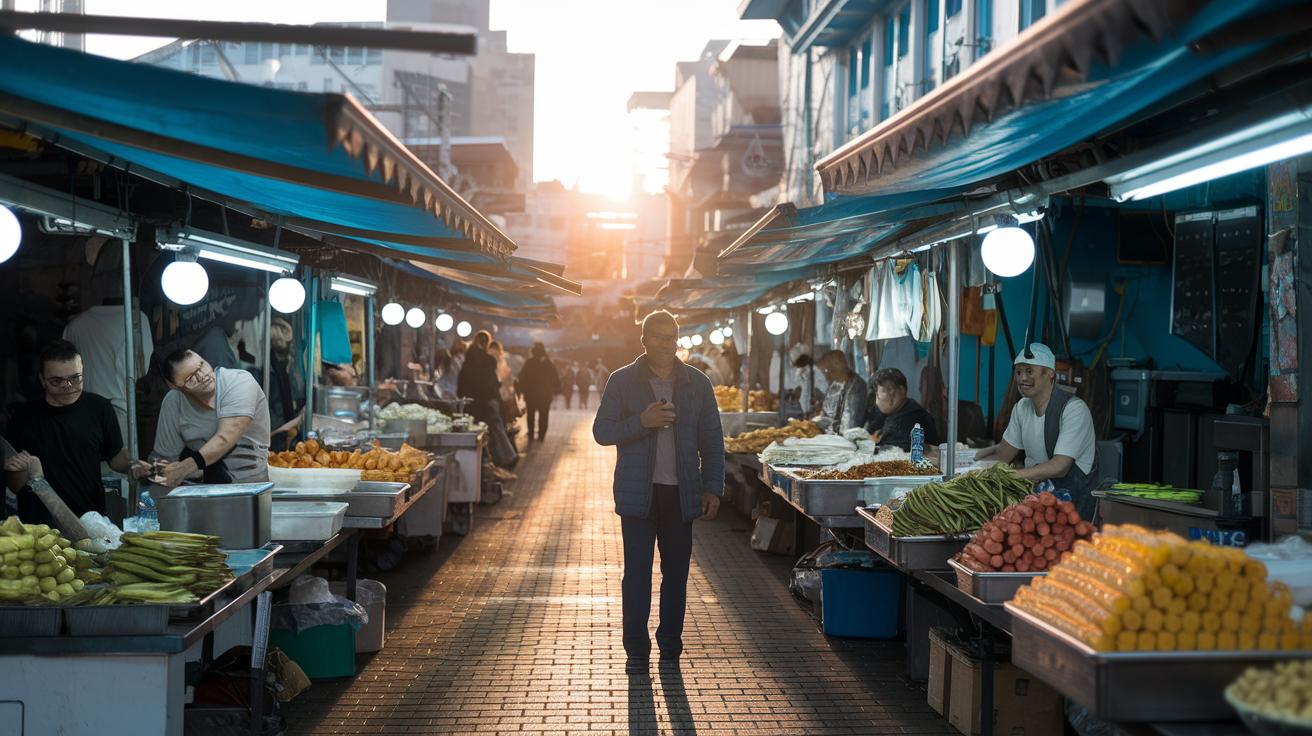
Creative travel storytelling invites you to dive into your journey using all your senses. Imagine stepping into a lively market where you see colorful stalls, hear local music echo through narrow streets, and catch the whiff of delicious street food. For example, you might write, "I stepped into a bright bazaar where the spicy scent of kebabs mixed with a refreshing citrus breeze," sparking your reader's taste for adventure.
Focus on a couple of key moments that really defined your trip. Instead of listing every stop, hone in on that breathtaking sunrise over a calm lake or the warm smile of a local that lit up your day. These details make readers feel as if they are right there with you. I remember watching the sky change into a canvas of pink and gold, it was simply magical.
Keep your tone relaxed and friendly, as if you're chatting with a friend over a cup of coffee. You might ask, "Have you ever stumbled upon a secret spot off the beaten path?" Such questions help draw your reader in and build trust in your story.
Let your emotions shine through by mixing moments of joy, a bit of fear, bursts of wonder, and even a touch of stress. These feelings add depth and help your audience connect with your experiences.
End with a calm moment of reflection like, "In the quiet after the storm, I realized that travel is less about the destination and more about the surprises and lessons along the way."
Innovative Travel Journey Narration Strategies

Creative travel storytelling is more than just writing down your adventures. It’s about shaping your tale to fit different platforms. Traditional travel writing shares detailed stories that pull you in, while quick formats like Instagram Reels, TikToks, and YouTube Shorts need a catchy start. For example, you might say, "Imagine stepping into a secret garden in the middle of a busy city" to spark some real curiosity.
Think of your journey as a collection of little travel stories. Each snippet should capture a small but vivid moment, like hearing a local tune blend with the sounds of a lively market. This kind of detailed, bite-sized storytelling helps your audience feel like they’re right there with you.
When you're putting together a long travel story for something like a YouTube video, try a slower and richer approach. Set the mood by taking your time to share background details and use different camera angles. Start with a wide sunrise view, then move to close-up interviews, and add in moments of quiet reflection. This mix not only shows beautiful visuals but also brings out the emotions of your journey.
Good audio is super important too. If your sound isn’t clear, adding subtitles can help keep your audience focused on the story. And don’t forget to keep a regular posting schedule. Consistency builds trust and makes your creative journey grow over time.
Every format, whether it’s a full-length story or a quick snippet, needs a style that fits. By using punchy hooks and vivid details in the right spots, you’ll spark true wanderlust and capture the hearts of all the globe-trotters out there.
Crafting Artistic Voyage Anecdotes for Travel Stories
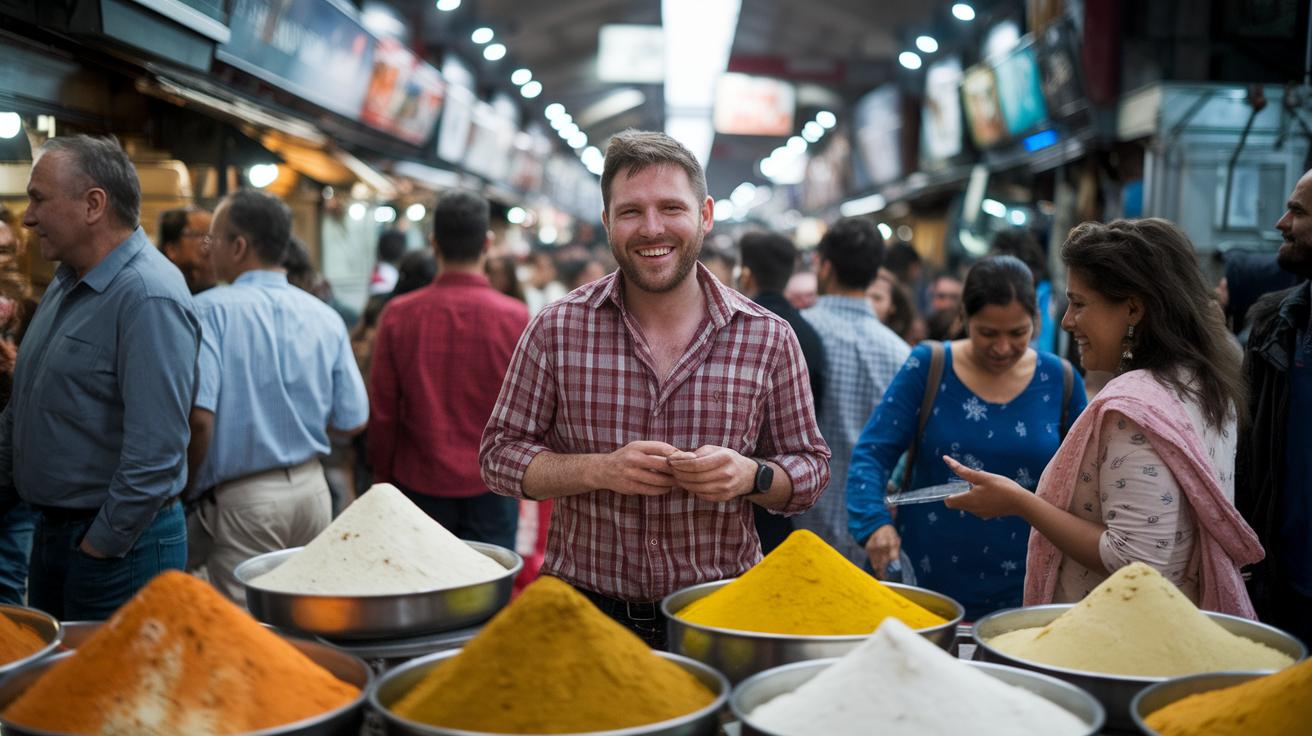
Personal travel stories can turn your writing into an exciting journey of self-discovery. Think about a life-changing moment, like that first adventure abroad when you suddenly see a bustling street full of spices and sounds. Picture a lively market with colorful stalls and friendly faces. Imagine saying, "I wandered through a maze of vibrant shops, where every corner buzzed with chatter and the aroma of fresh naan filled the air." It’s details like these that pull your reader right into your adventure.
Add a bit of conversation and heartfelt moments to really bring your tale to life. You might recall a warm chat with a local vendor, maybe he said, "This is the taste of home," with a smile that made you feel instantly welcome. Moments like that help you connect with your reader on a personal level.
Mix calm reflections with bursts of excitement to create a natural flow in your story. Maybe you started your writing journey back in January 2013 and discovered that each new destination brought a fresh chapter of growth. And who knows? You could even hint at a future trip, like a 2026 escape that promises even more unforgettable experiences.
Every step of your adventure, from a quiet street in an unfamiliar town to the lively energy of a city market, is a chance to learn and grow. Treat each memory as a special waypoint on your journey. Let your travel anecdotes reveal how each experience shapes who you are, leaving a lasting impression long after the trip is over.
Integrating Multimedia in Creative Travel Storytelling

Mix photos, sound, and videos to make your travel story come alive. A DSLR or mirrorless camera can snap every clear detail, even in dim light. Picture a lively night market lit by neon signs, every hue popping out as if it were a painting. Try filming from different angles, start with a wide shot of an old street, then zoom in on a local vendor’s happy smile, and finish by capturing the gentle drift of clouds overhead. These little tweaks turn your journey into a mini movie you can relive again and again.
Good sound is just as important as cool visuals. Make sure you record clear audio. If there’s any unwanted noise, add subtitles so every whisper of the place reaches you and your viewers. Shooting in low light, like at dusk or under city lights, can really change the mood of your scene, making it both mysterious and inviting.
Here are some handy tools to help you on your creative adventure:
- DSLR or mirrorless camera
- Smartphone gimbal or stabilizer
- Portable audio recorder or lapel mic
- Video editing software, such as Adobe Premiere
- Photo editing tools, like Lightroom
Imagine setting off on your next photo trip, where even a foggy morning holds its own magic in every frame. Have fun exploring and capturing those moments that truly tell your travel story!
Case Studies of Compelling Travel Expedition Stories

Nothing sparks the imagination quite like a tale that drops you right into the heart of adventure. Take Mt. Everest, for example, each step feels like a tiny victory over nature. You can almost feel the crisp morning chill and hear the crunch of ice under determined boots. Imagine standing at the peak, surrounded by a quiet that matches the vast, endless sky. Such rich details turn a mountain climb into an experience you can almost touch.
Then there’s the Sahara Desert, where every dune tells its own story. Wandering through this endless sea of sand is a bit like watching a slow-motion movie. By day, you feel the searing heat, and by twilight, a cool breeze surprises you. Picture the dunes shifting like gentle, restless waves under the endless sun. It really makes you feel like you’re right there in the midst of nature’s grand show.
Next up, a Mediterranean cruise gives you a taste of poetic calm. Imagine a sunlit deck with gentle waves kissing the sides of the ship. The soft hum of the boat and the rhythmic splash of water create a peaceful moment of reflection, a slice of maritime magic that warms the heart and soothes the soul.
| Destination | Story Angle | Key Technique |
|---|---|---|
| Mt. Everest | Summit Challenge | Sensory-rich language |
| Sahara Desert | Desert Odyssey | Dynamic visuals & pacing |
| Mediterranean Cruise | Maritime Reflection | Emotional depth & photos |
These travel stories show us that when you focus on little details, natural pacing, and heartfelt thoughts, you can create a rich picture of any journey. Whether you're scaling a mountain, trekking through a desert, or sailing the seas, it’s all about inviting your reader along for a true, memorable adventure.
Practical Tips for Reflective Travel Wanderer Legends

Take your time building your travel story. Imagine the gentle glow of a sunset, paired with the inviting aroma of a nearby food stall. These small details give your story life, drawing the reader into each cherished moment like a vivid painting coming to life.
Being consistent in your writing is key. Write a little bit every day, whether it’s a quick journal entry after your adventure or a longer blog post. Over time, this daily practice helps you effortlessly weave dynamic stories about the places you visit.
Here are some hands-on tips to try right away:
- Write a bit each day to keep your narrative fresh.
- Dedicate an extra 20 minutes after your first draft to review and smooth out any errors. This extra step can transform a rough sketch into a captivating tale.
- Experiment with new ideas and styles without hesitation; each journey teaches you something fresh.
- Share your work with fellow travelers to pick up different perspectives and insights.
Before you finish your travel story, sprinkle in some reflective thoughts. Think about the lessons learned or the unexpected surprises along the way. This touch of reflection turns a simple travel log into a thoughtful exploration of growth. Ever wondered how an ordinary day might reveal a deeper bond with a new place, and even with yourself?
Building Your Creative Travel Storytelling Toolbox

Imagine setting out on a travel adventure where every word tells a tale as lively as wandering through a hidden alley in a new city. Start by gathering simple writing tools, like a notebook with journaling prompts or easy templates that spark your travel memories. For example, jot down a one-minute memory every day and capture that brief, magical moment, maybe the soft play of light in an ancient square. This simple exercise not only fuels fresh ideas for your travel blog but also helps polish your storytelling style as you go along.
Then, think about adding a visual side to your journey. Grab a reliable camera, try your favorite editing apps, or even use your smartphone when you're on the move. Combining clear pictures and crisp sounds with your words creates a mini adventure that draws your readers right into the moment.
Finally, try joining a local workshop or a fun group review session with friends who love writing. Share your travel stories, play around with creative exercises, or map out your narrative with a storyboard. These activities can open up new ideas and add a spark to your travel tales.
- Journaling prompts and story templates
- Trusted cameras and easy-to-use editing software
- Group critiques and creative writing exercises
These simple tools make your storytelling as memorable on paper as the real experiences are in life. Enjoy every step of your creative travel journey!
Final Words
In the action, we explored essential techniques for creative travel storytelling, shared innovative narration strategies, and learned how to craft vivid voyage anecdotes enriched with multimedia. The blog dove into real expedition case studies and offered practical tips to polish your travel narratives. It reminded us that every journey can become a masterful tale with a touch of authenticity and a lot of heart.
Embrace these insights and let your stories shine, turning every trip into an unforgettable narrative adventure.
FAQ
What are some creative travel storytelling topics, ideas, and examples?
Creative travel storytelling topics spark ideas like local cuisine adventures, unexpected encounters, and scenic journeys. They mix sensory details with personal insights to create engaging travel narratives that invite readers to experience the trip firsthand.
What are some travel narrative examples and resources for travel story writing, including travel narrative books?
Travel narratives range from short, vivid anecdotes to full-length memoirs. They capture memorable moments and evoke strong senses, and travel narrative books serve as both inspiration and guides for effective travel story writing.
What is an illustrated narrative of travel called?
An illustrated narrative of travel is known as a travelogue. This format combines vivid images with engaging stories to showcase the essence of a journey in a visually rich, accessible way.
How do you write a travel story?
When writing a travel story, you start by using sensory details and a conversational tone. Focus on a few key moments, build a clear narrative arc, and end with reflective insights to draw readers into your adventure.
What does creative storytelling mean in travel writing?
Creative storytelling in travel writing means transforming everyday travel moments into captivating tales. It uses rich, imaginative descriptions and personal insights to connect with readers and inspire them to explore new adventures.